Navigating the Evolution: Strategic Capital Market Trends for 2026

Introduction to the 2026 Financial Landscape
As we approach 2026, the global capital markets are undergoing a profound transformation driven by rapid technological advancements and a fundamental shift in investor priorities. The integration of sophisticated data analytics and a heightened focus on sustainability are no longer optional but are central to the structural integrity of modern finance.
The Dominance of Artificial Intelligence and Machine Learning
By 2026, Artificial Intelligence (AI) and Machine Learning (ML) will have moved beyond simple automation to become the primary drivers of market liquidity and risk management. Institutional investors are increasingly utilizing predictive algorithms to identify micro-trends before they manifest in broader market indices.







These technologies enable real-time processing of unstructured data, such as geopolitical news and social sentiment, allowing for more robust portfolio optimization strategies. The focus has shifted from high-frequency trading to high-intelligence decision-making.
ESG 2.0: From Compliance to Tangible Impact
The Environmental, Social, and Governance (ESG) criteria have matured significantly. In 2026, the market demands more than just transparency; it requires measurable impact. We are witnessing the rise of ESG 2.0, characterized by:
- Standardized global reporting frameworks that eliminate “greenwashing.”
- Integration of biodiversity metrics into investment risk assessments.
- The mainstreaming of social impact bonds and sustainability-linked loans.
Asset Tokenization and the Democratization of Capital
The tokenization of real-world assets (RWA) is one of the most significant structural shifts in 2026. By utilizing blockchain technology, illiquid assets such as real estate, private equity, and fine art are being fractionalized, providing retail investors with access to previously exclusive markets.
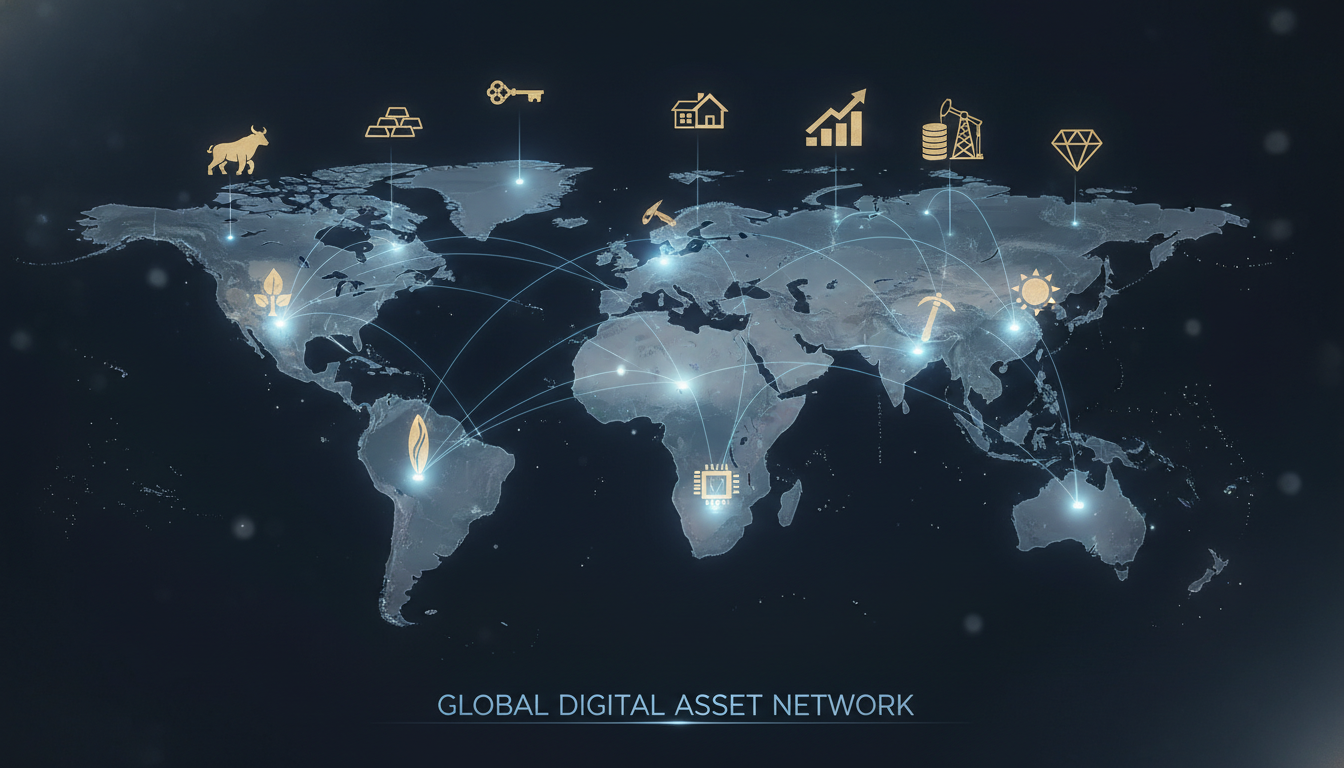
This transition reduces intermediary costs and shortens settlement cycles from days to seconds, enhancing overall market efficiency and liquidity.
Regulatory Adaptation and Global Harmonization
Regulators are keeping pace with these innovations by establishing clearer frameworks for digital assets and AI governance. In 2026, the emphasis is on cross-border cooperation to mitigate systemic risks associated with decentralized finance (DeFi) while fostering an environment conducive to innovation. Investors are prioritizing jurisdictions that offer both robust protection and technological flexibility.
Conclusion
The capital markets of 2026 are defined by a synthesis of technology and purpose. Success in this era requires a proactive approach to adopting AI, a genuine commitment to sustainability, and an agile strategy to navigate the complexities of a tokenized global economy.